


- Pulp and paper conglomerate Royal Golden Eagle committed to cut deforestation from its supply chains more than a decade ago. But it has been sourcing from a pulp mill fed by multiple firms that have cleared rainforests — including one of the worst deforesters in Indonesia.
- The supply chain connects Royal Golden Eagle’s China arm, Asia Symbol, to a sprawling network of alleged “shadow companies” the conglomerate has been accused of secretly controlling.
- Asia Symbol produces packaging it markets as “carbon-neutral” that has been used by Haleon, the consumer healthcare group behind brands like Panadol and Sensodyne.
- In response to this investigation, Haleon has cut ties with Asia Symbol.
Anderson Tanoto appeared to be in a bullish mood.
It was late 2024, and the executive sat down for an interview with CNBC to discuss the fortunes of Royal Golden Eagle, the conglomerate founded by his billionaire father. As consumers turned their backs on plastic, RGE — with its wood plantations and paper factories — was well positioned to meet growing demand for “green” packaging, he explained.
For many years, RGE had been synonymous with environmental destruction in Indonesia. The company and its suppliers had cleared vast areas of rainforest, carved into carbon-rich peatlands and stoked conflicts with indigenous communities.
But in 2015, the company made a high-profile commitment to eliminate deforestation from its supply chains. Since then, Anderson, as managing director, had sought to rebrand it as a pillar of environmental responsibility. It was a strategy that paid off — in January 2024 RGE announced that it had secured a $1 billion “green” loan for its agribusiness arm.
But for a brief moment, the interview threatened to take a different course.
“Anderson, it hasn’t all been smooth, has it?” CNBC’s Sri Jegarajah asked. “I wonder if you could respond to allegations that RGE shadow companies are engaged in deforestation?”
The allegations were not tangential to Anderson. An investigation by The Gecko Project and Bloomberg, released a week earlier, had suggested that RGE was secretly controlling companies that continued to expand into rainforests in Indonesia. Former employees of these companies said Anderson himself had flown in by helicopter to visit their plantations in Borneo.
Anderson dismissed the allegations as “baseless” and insisted RGE was “100% deforestation-free”.
There was no risk of being exposed to deforestation, he went on, because RGE had complete control of its entire supply chain. “The power of integration is that you have accountability of the value chain all the way to where the growers are,” he explained.
But a new investigation by The Gecko Project and AFP has found that RGE’s operations are still connected to the destruction of rainforest in Indonesia.
In January 2025, a giant new mill in Borneo began shipping pulp to RGE's Chinese factories. A third of the wood entering the mill came from plantations that had expanded at the expense of rainforest — including a plantation run by one of the worst deforesters in Indonesia, a firm that has cleared large areas of orangutan habitat.
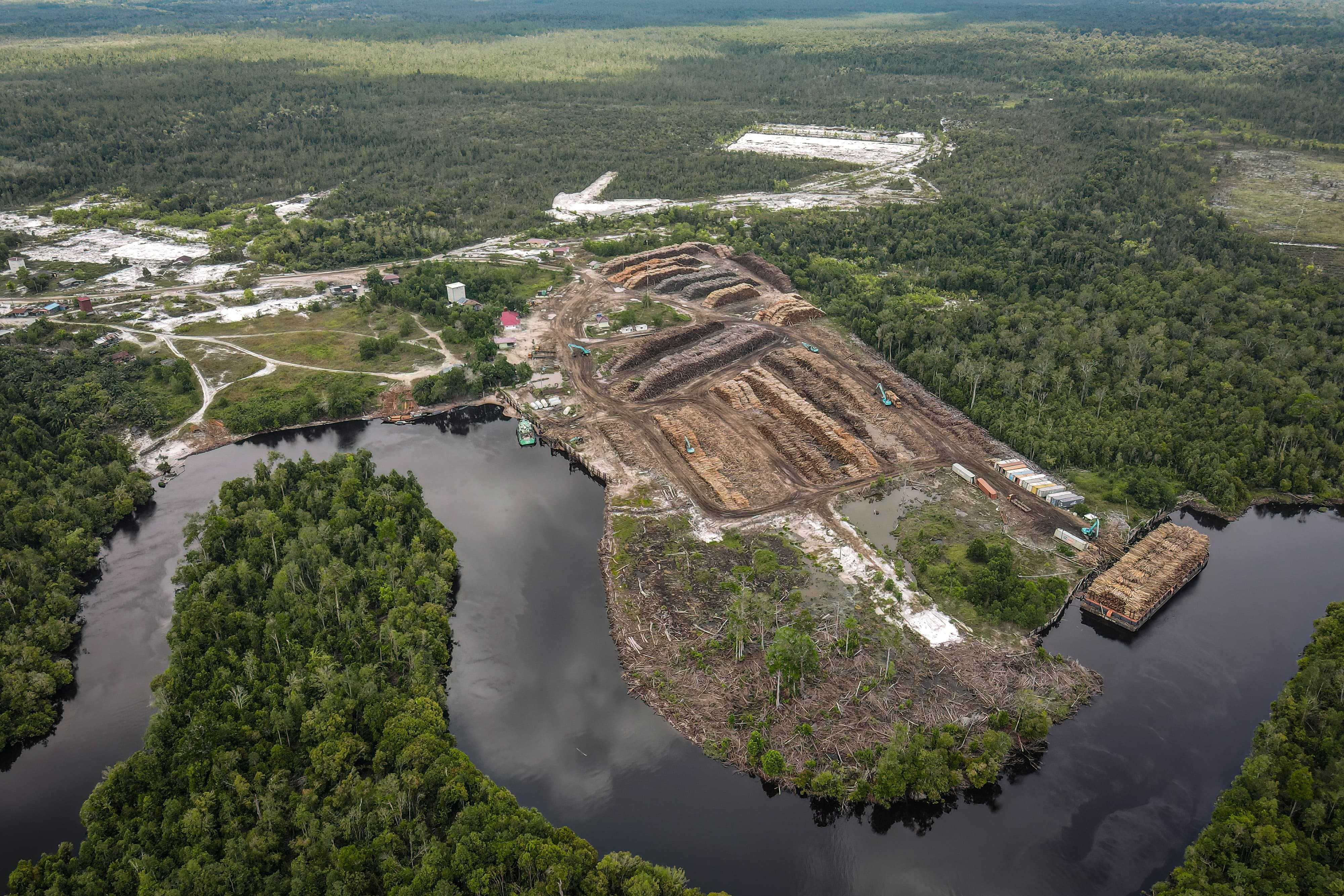
The mill and its suppliers have been described as part of the network of “shadow companies” alleged to be under the control of RGE — an allegation Anderson Tanoto had dismissed as baseless just months before the first ship arrived at one of his factories.
In response to requests for comment, RGE admitted that it had sourced from the mill beginning in January, branding it a lapse in due diligence, and insisted it remained committed to zero-deforestation.
Among the customers for the “carbon-neutral” cardstock produced by RGE’s Chinese factories is Haleon, the multinational healthcare company behind brands like Sensodyne and Panadol.
Haleon said it was “very concerned” by the findings of this investigation and that it would stop buying packaging materials that came from RGE’s China arm, Asia Symbol.
It is not the first time deforestation has found its way into RGE's supply chain in recent years, despite its zero-deforestation policy.
“There have been numerous breaches,” said Grant Rosoman, a senior adviser on forests at Greenpeace. “Their commitments are nothing more than greenwashing to convince their buyers that they are cleaning up their act."
Deforestation, integrated
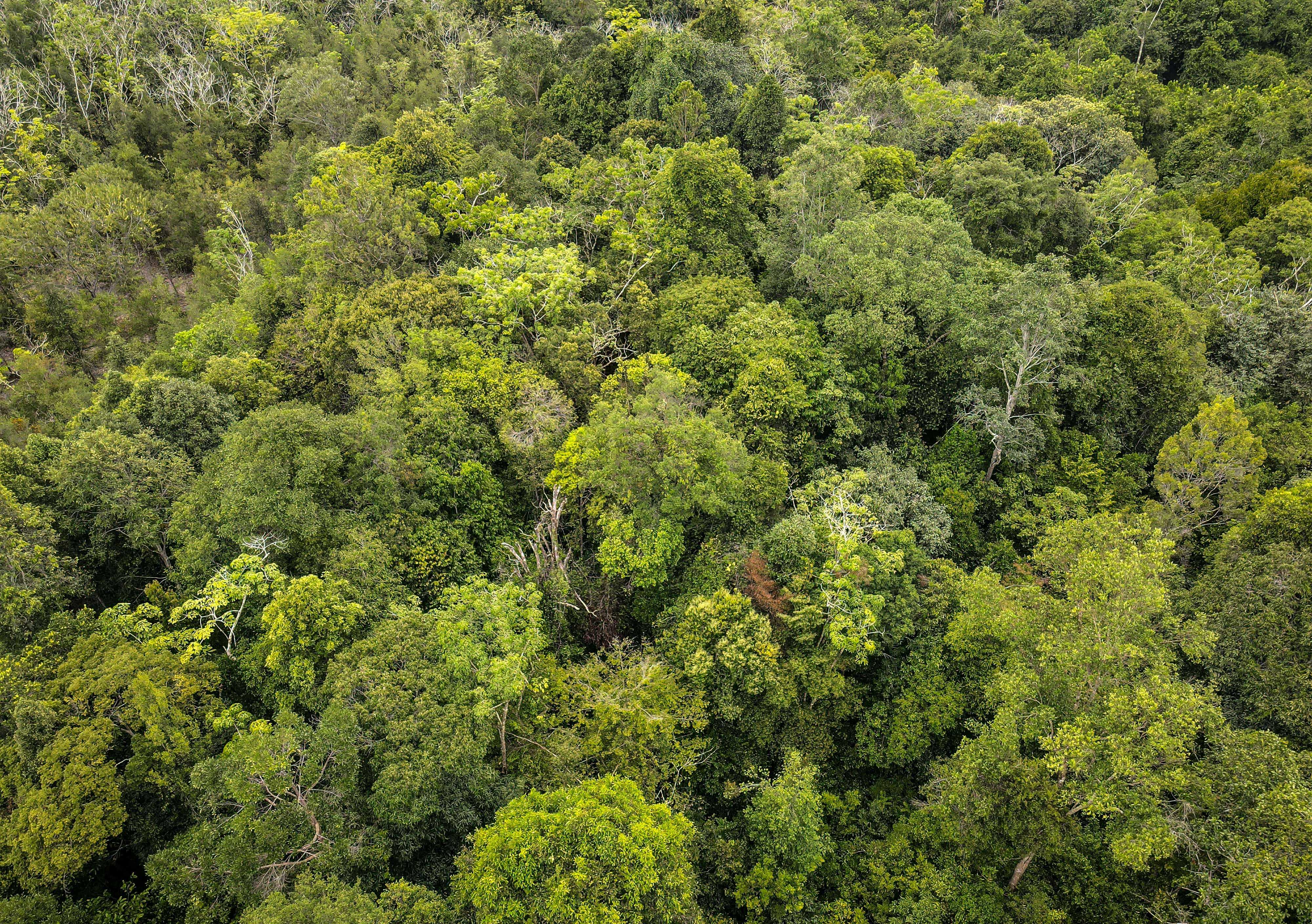
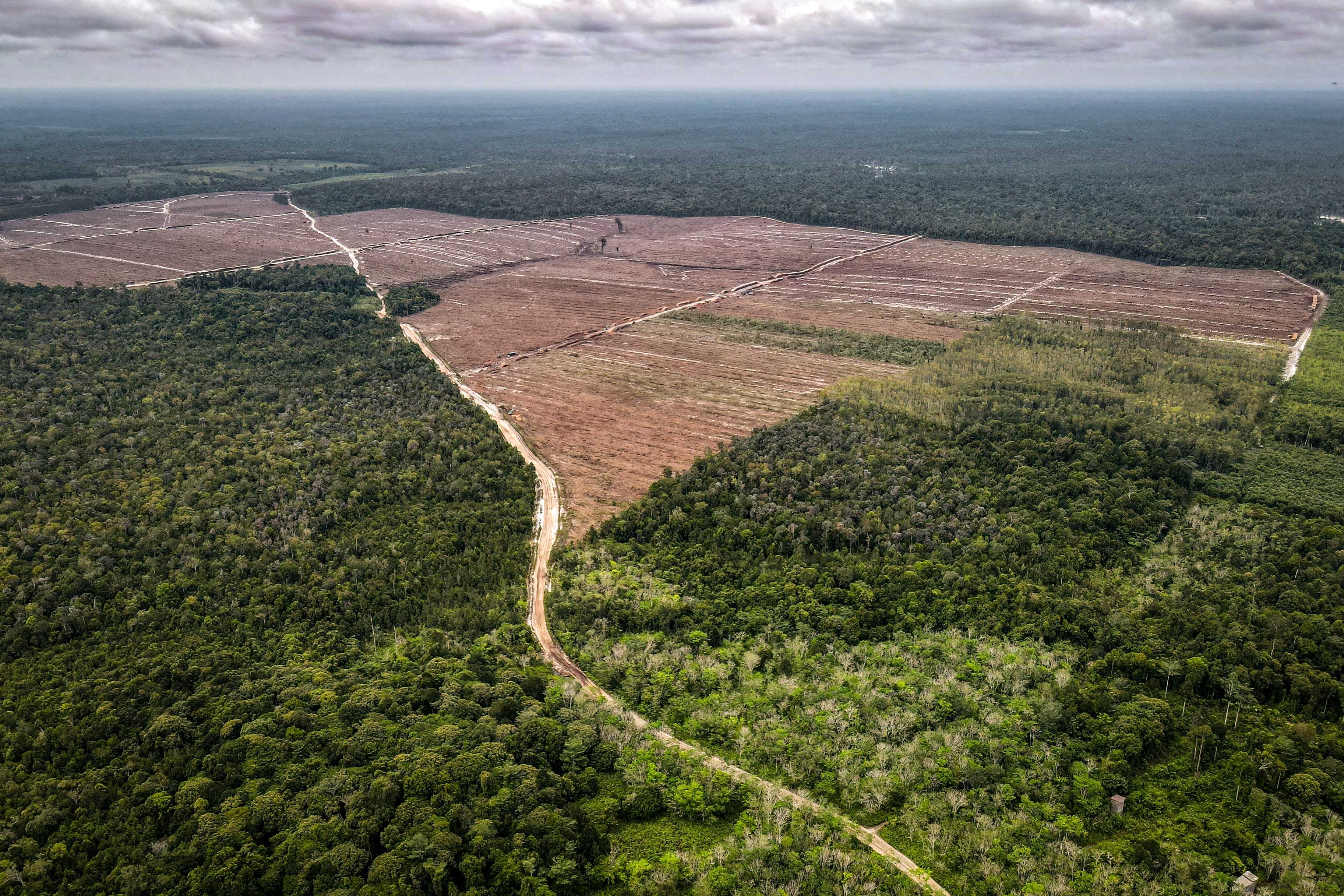
The plantation firm Industrial Forest Plantation, or IFP, holds the rights to a vast concession on the island of Borneo. Stretching some 60 kilometres north to south, it sits at the heart of a larger landscape that was estimated in 2016 to hold between 1,065 and 2,300 orangutans. An analysis published in 2022 found that half of the concession was forested orangutan habitat.
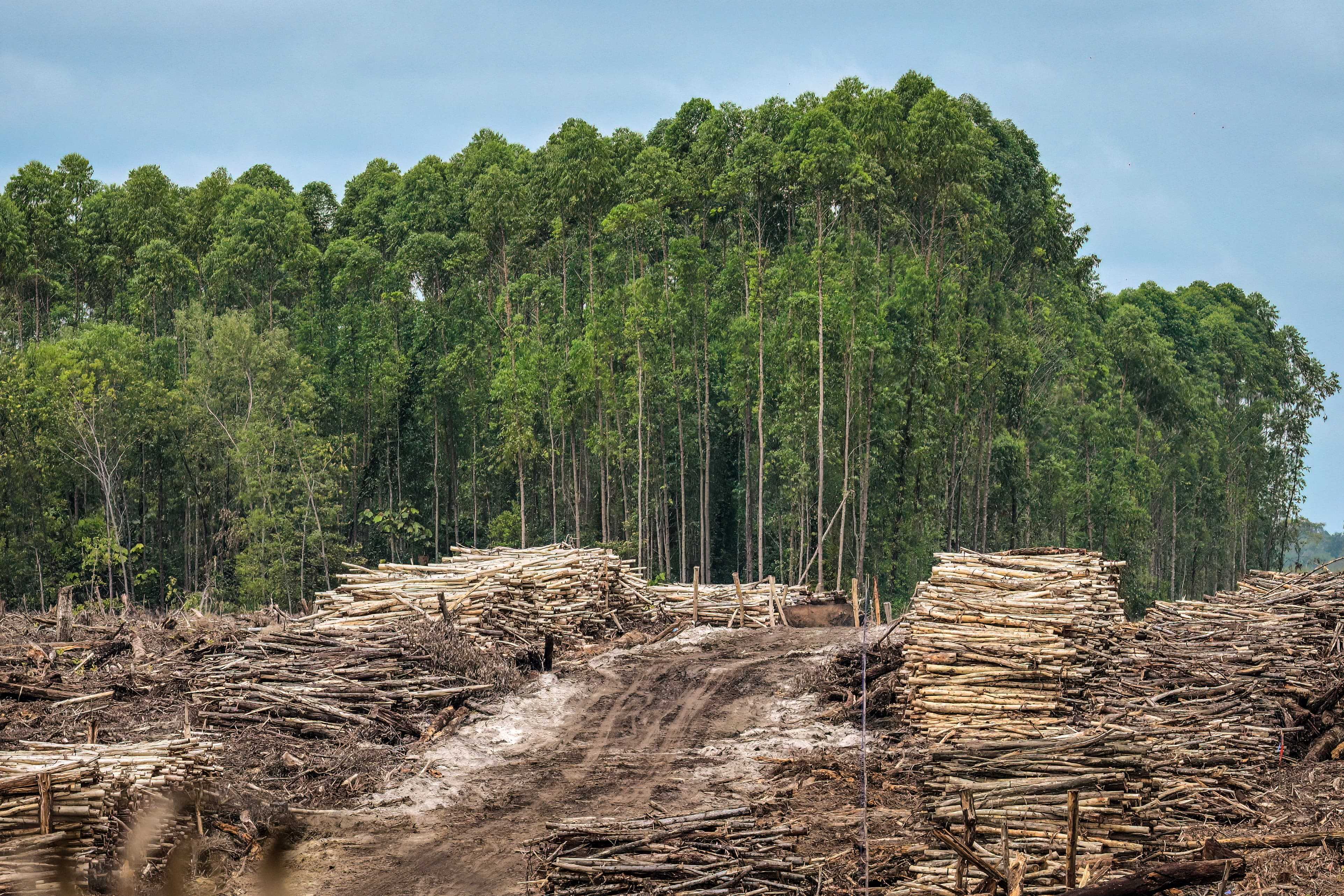
As zero-deforestation commitments took hold across the plantation sector, under pressure from activists and markets, IFP was one of the notable holdouts. Between 2016 and 2024 it cleared an area of rainforest more than 70 times the size of Central Park, replacing it with fast-growing timber species. Over that time it repeatedly ranked as the second-biggest deforester in Indonesia’s pulpwood sector.
Agau, a resident of Humbang Raya village, which sits inside the boundaries of IFP’s concession, said animals such as deer and hornbills had disappeared from the region, and locals who relied on forest products had left to seek work elsewhere. "It's hard to find anything like it used to be,” he added.
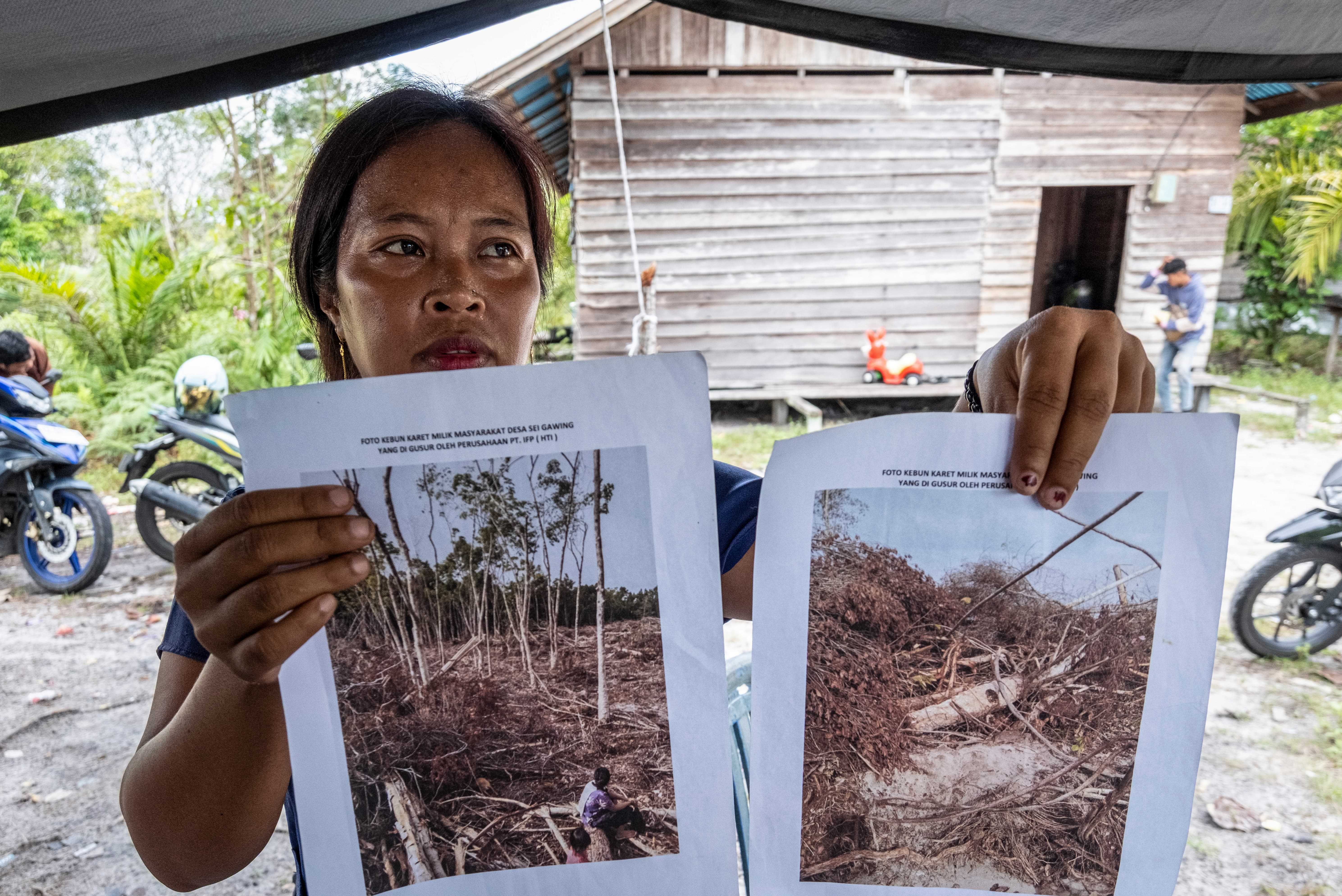
Ika Magdalena, a pregnant mother-of-three from Sei Gawing village, said the land she once farmed was now off-limits as it fell inside IFP's concession. Promised compensation never arrived, she said. She now runs a small snack stall to make ends meet.
"They've already damaged our crops, and they don't want to take responsibility," she added. "It breaks our hearts, but they just stay silent."
IFP did not respond to a request for comment.
On paper, the deforestation should have made it difficult for IFP to find buyers for its wood.
Acacia and eucalyptus from Indonesian pulpwood plantations are typically processed into pulp or woodchips at a small number of large industrial mills. From there, it is shipped downstream to be turned into paper, cardstock or viscose fibres, which are used to produce textiles. The sector is overwhelmingly dominated by two conglomerates — Asia Pulp and Paper and RGE — that pledged not to source wood from suppliers who cleared natural forests after February 2013 and June 2015 respectively.
But as IFP ploughed through the rainforest, a new buyer was emerging. Off the north-east coast of Borneo, in North Kalimantan province, a company named PT Phoenix Resources International broke ground on a new pulp mill.
In 2023, environmental groups warned that the mill would place huge pressure on Indonesia’s rainforests through additional demand for pulpwood.
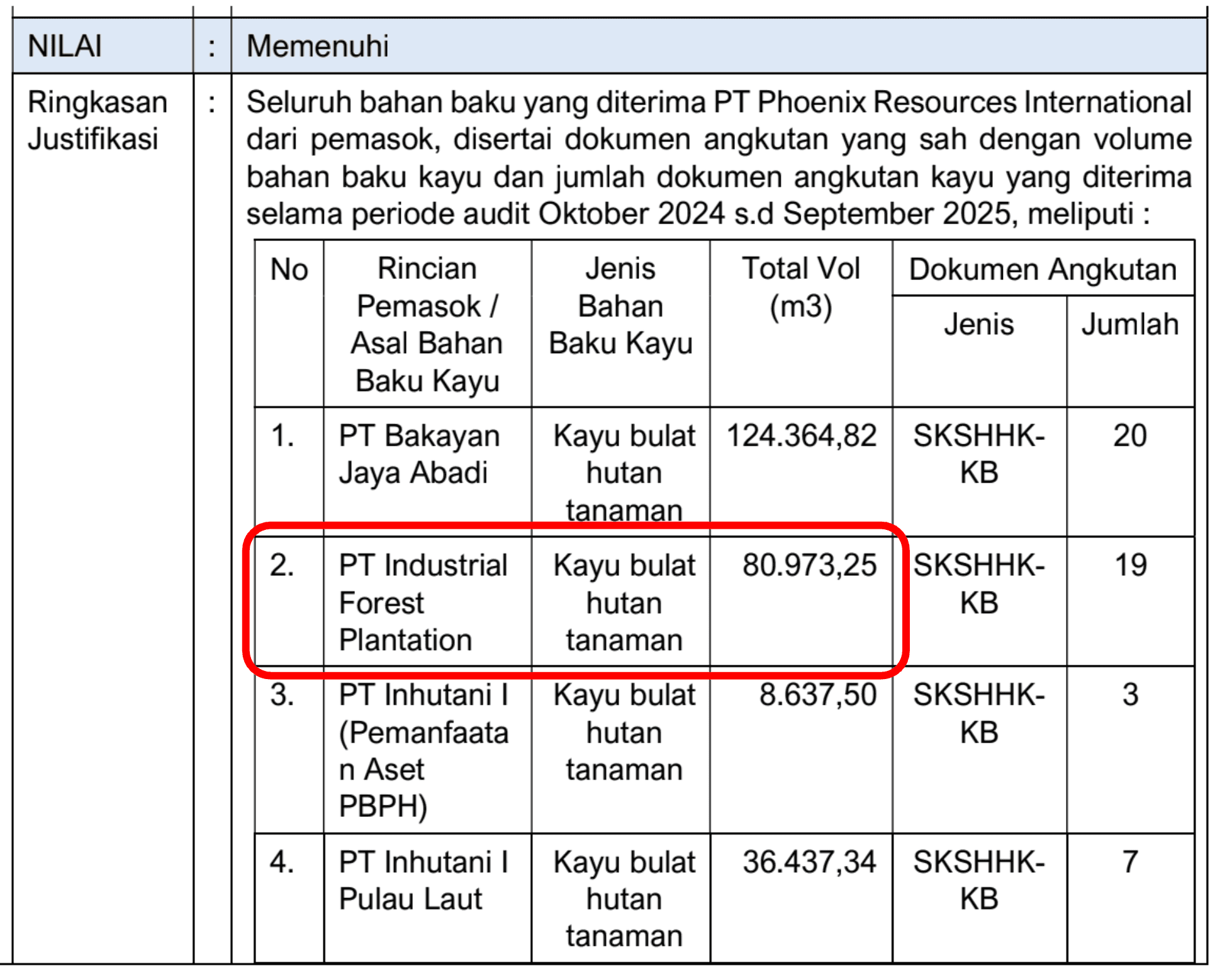
The warning proved prescient. Audit reports and satellite analysis show that between October 2024 and September 2025, a third of the wood entering the mill came from plantations that had expanded at the expense of rainforest — including IFP.
AFP and The Gecko Project tracked the pulp leaving Phoenix to market using shipment-level trade data, ship tracking platforms, Chinese websites and social media.
In June 2025, the cargo ship Sailboard left Tarakan port loaded with pulp processed by Phoenix. The ship wound its way north to Shanghai, then upstream to Rugao, where it was received with fanfare.
A welcoming committee comprising local officials and industry leaders was there to mark Asia Symbol’s first “ship-side direct pickup” at the terminal, according to an industry report. A representative of Asia Symbol was on hand to make a speech.
A celebratory video posted on the Chinese version of TikTok, Douyin, shows the ship moored with the initials PRI — for Phoenix Resources International — stamped on the arriving cargo.
The videos and industry report make clear that the shipment of more than 8,000 tonnes was destined for Royal Golden Eagle. One video noted that the pulp would be taken straight from the ship to Asia Symbol’s factory. Another, that the delivery represented “a key milestone for the Royal Golden Eagle Group in establishing Rugao as a global wood pulp hub.”

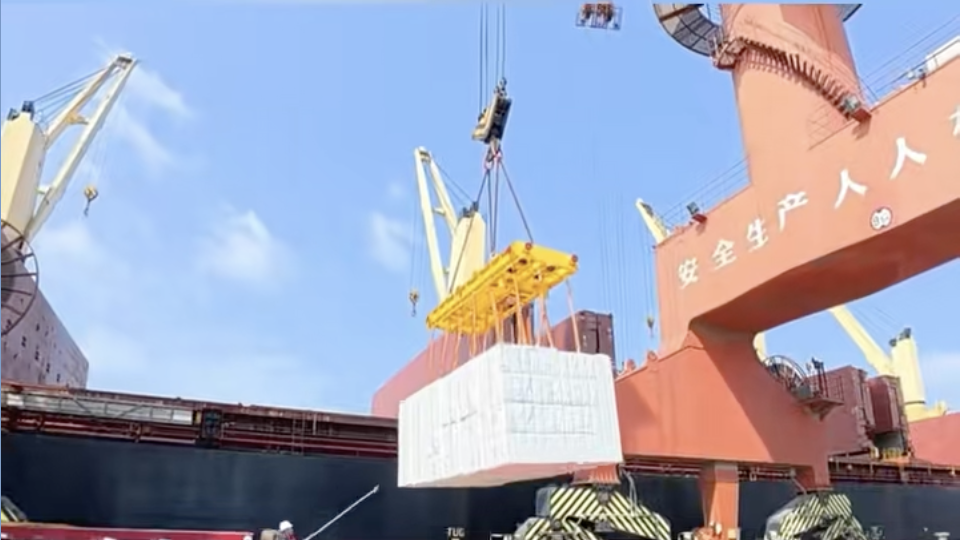
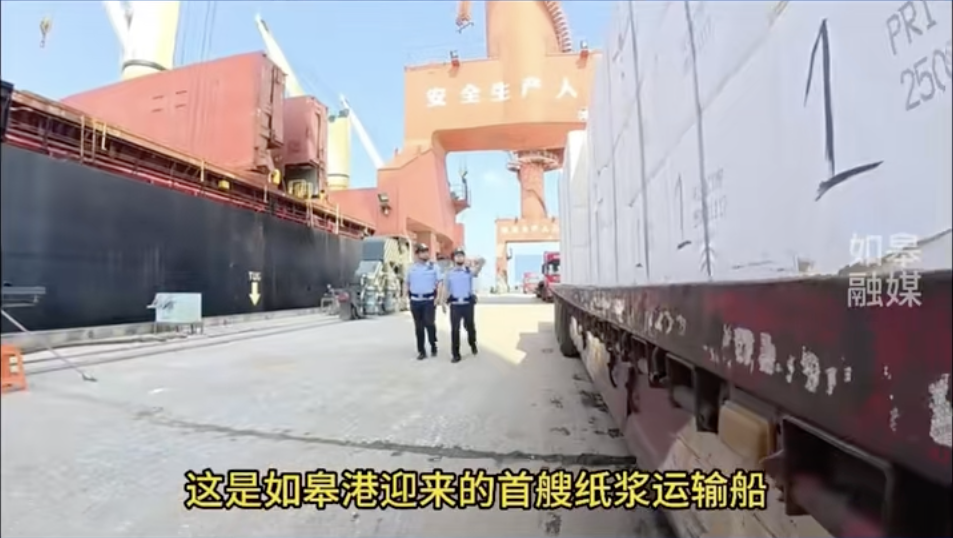

From there, Sailboard travelled further north to Rizhao, a city in Shandong province, docking at a port where RGE has long-term leases on three berths. One of Asia Symbol’s two other factories stands a five-minute drive away.
Between May and the end of November, trade data shows 46 shipments of pulp from Phoenix to the Rugao terminal and a further 26 shipments to the Rizhao port. In total, by the end of November, Phoenix had delivered more than 230,000 tonnes of pulp, worth some $80 million, to the two ports serving Asia Symbol’s facilities.
Pulp fiction
In response to a request for comment on our findings, Asia Symbol acknowledged that it had sourced from Phoenix, starting in January 2025. A spokesman declined to confirm or deny whether all the shipments to Rugao and Rizhao were destined for its factories, stating that it does not verify figures that it has not publicly disclosed.
The company said that performing due diligence on its suppliers was challenging because of the scale and complexity of its business.
“Asia Symbol operates a multi-country, multi-tier fibre supply chain spanning more than 15 sourcing countries, including China, Indonesia and Vietnam,” the company wrote in a statement. “It includes direct suppliers, intermediary traders, and thousands of upstream producers and smallholders. This complexity creates real due diligence challenges.”
But was the supply chain really so complicated in this case?
Shipments went directly from Phoenix’s mill to ports serving Asia Symbol’s factories.
The provenance of the wood Phoenix was sourcing was available in audit reports. An audit was carried out in December 2024 and named just seven suppliers — including Industrial Forest Plantation, by then one of the most notorious companies in the pulp sector. The report has been available online since at least February 2025.
The identity of Phoenix’s suppliers had also been reported by Indonesian news site Betahita in December 2024, before the first shipments between Phoenix and Asia Symbol.
It is not the first time RGE has found itself in this position.
In 2023 and again in 2025, environmental groups linked RGE to deforestation through the same pattern — wood from plantations in Borneo, to a mill, to Asia Symbol in China. Both times, RGE claimed it was improving its due diligence and suspended a supplier.
The first time, the wood came from companies including Industrial Forest Plantation. The second, from companies named Sendawar Adhi Karya and Bakayan Jaya Abadi. And the third time — as shown by this investigation — it came from all three.
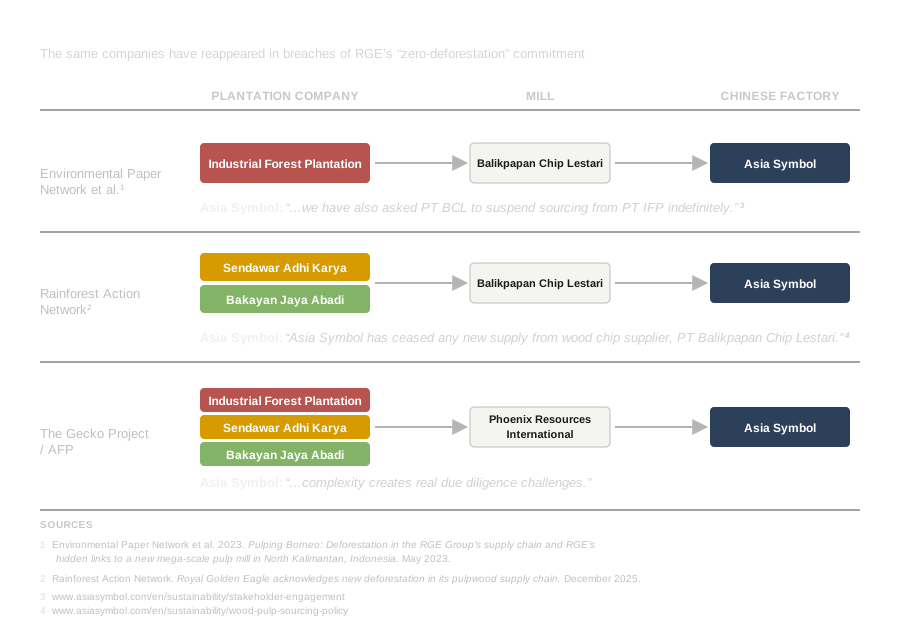
The firms involved were far from unknown to RGE.
In a series of reports published in 2023, 2024 and 2025, environmental groups set out evidence connecting some of these suppliers and the mills that processed the wood to RGE — a revolving door of managers and staff, shared corporate offices, and a complicated web of offshore holding companies linked to the conglomerate.
The reports made the case that they formed a sprawling network of shadow companies, with owners hidden in secrecy jurisdictions, that are “likely” under the control of RGE and the Tanoto family. Phoenix Resources International was named as a key part of this network.
In 2024, The Gecko Project and Bloomberg published testimony from former employees inside a subset of these firms that are publicly grouped under a holding company named Borneo Hijau Lestari. The employees were led to believe it was owned by the Tanotos, used internal documents with RGE’s logo, and placed Anderson Tanoto on the scene of their plantations in Borneo.
The release of that investigation prompted Anderson to deny the allegations on CNBC. Around three months later, the first ship left Phoenix’s port in Tarakan, destined for his factories.
That ship was probably loaded with material from the alleged shadow network: Borneo Hijau Lestari’s subsidiaries were by far the main suppliers to the Phoenix mill in the 12 months to September 2025, accounting for some two-thirds of its raw materials.
RGE has repeatedly denied operating shadow companies. In response to a request for comment on this investigation, RGE reiterated that it “does not own or control” Phoenix or Industrial Forest Plantation.
“RGE has a track record of using a complex series of shadow companies,” said Robin Averbeck, Forest Program Director at Rainforest Action Network, the non-profit that exposed RGE’s 2025 policy breach. “The findings of this investigation indicate that RGE is still very much in the business of deforestation.”
Certified deforestation
Anderson Tanoto had told CNBC that he was “proud” to say the entire supply chain was deforestation-free. “Not by my words,” he added, “but actually audited and verified by third parties.”
It was an assurance likely directed, in part, at the companies that buy from his factories.
Among them is Haleon, the British giant of the consumer healthcare industry, which uses tens of thousands of tonnes of paper each year in packaging. It has a stated goal of reducing the environmental footprint of its packaging, and it was the first company to use Asia Symbol’s “carbon-neutral” cardstock for packaging in China, according to Chinese websites.
In an emailed statement, Haleon said it had conducted its own investigation and concluded that there was “no evidence that deforestation-linked material” entered its supply chain. But it said it had asked its direct suppliers “to ensure that any material supplied to Haleon is not sourced from Asia Symbol”.
A spokeswoman for Haleon said that it relies on buying products endorsed by the Programme for the Endorsement of Forest Certification, or PEFC. In its response, RGE also said that Phoenix’s mill was sourcing from PEFC-certified concessions.
PEFC adds its label to products it claims have come from “a forest that is managed in line with the strictest environmental, social and economic requirements. A forest that will be around for generations to come.”
In 2024, Industrial Forest Plantation was audited under an Indonesian scheme recognised by PEFC, which allowed it to market wood from the concession as PEFC-certified — despite its status as one of the worst deforesters in Indonesia. A recent analysis from the London-based non-profit Earthsight described this as “an outrageous case of greenwashing”.
Thorsten Arndt, head of advocacy for PEFC, explained in a statement that the scheme allows companies to have sections of their concessions audited and exclude others. He described this as “an established feature of forest certification systems” and suggested that issues arose when this was misunderstood. “Where there is a risk that certification could be interpreted more broadly than justified, this raises an important integrity concern,” he wrote.
Asia Symbol maintained, however, that the raw materials in the “carbon-neutral” cardstock that went to Haleon did not come from Phoenix or, by extension, Industrial Forest Plantation. “The pulp used for this customer were [sic] sourced from other markets including Canada, Finland, New Zealand and Brazil,” it said. When asked if it could provide any independently-verified evidence of this, however, it did not respond.
Asia Symbol stood by Anderson Tanoto’s comments to CNBC, writing that they “are valid and reflect the group’s genuine intention to achieve no-deforestation”. It did not confirm whether or not the supply chain identified by this investigation represented a violation of its policies.
The conglomerate said it has recently improved its due diligence system, and was “engaging” Phoenix Resources International “and relevant upstream suppliers on the adoption of global no-deforestation commitments.”
It did not comment on whether it would suspend Phoenix as a supplier.
Read more reporting from The Gecko Project on Corporate Secrecy.
Reporting by Tomasz Johnson, Sara Hussein, Tom Walker and Alon Aviram
Fact-checking by Davi Sherman
Header image shows land cleared and prepared for industrial planting side-by-side with rainforest in Central Kalimantan. By Satya Adhi/AFP.